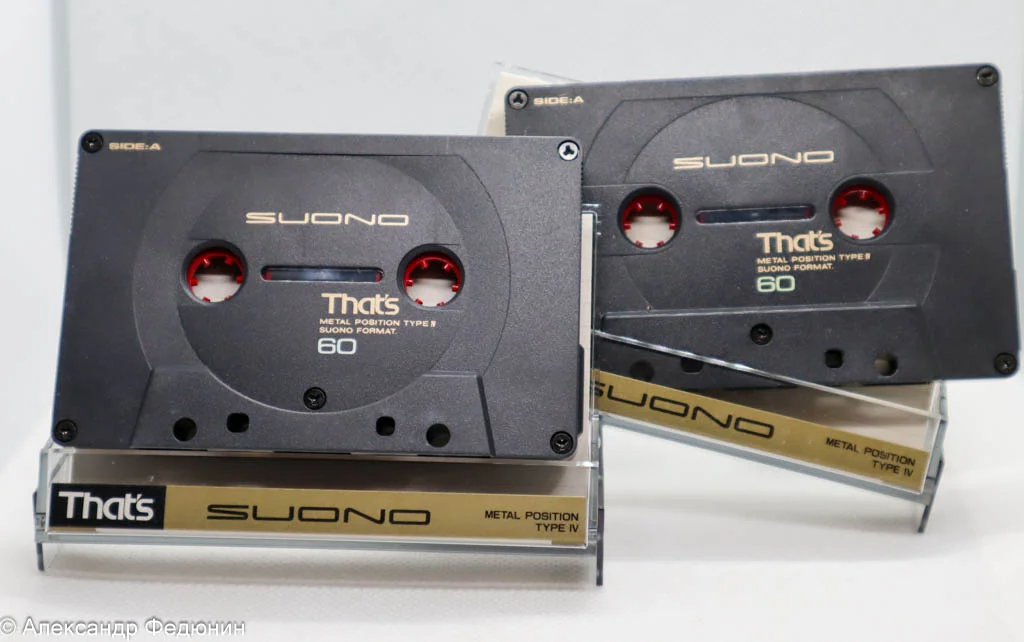
The whole point of the cassette quality race was to capture a CD recording with minimum distortion and maximum frequency range. At that level, vibration between the two shell halves became the biggest problem. And every top-of-the-line manufacturer tried to solve it in their own way.
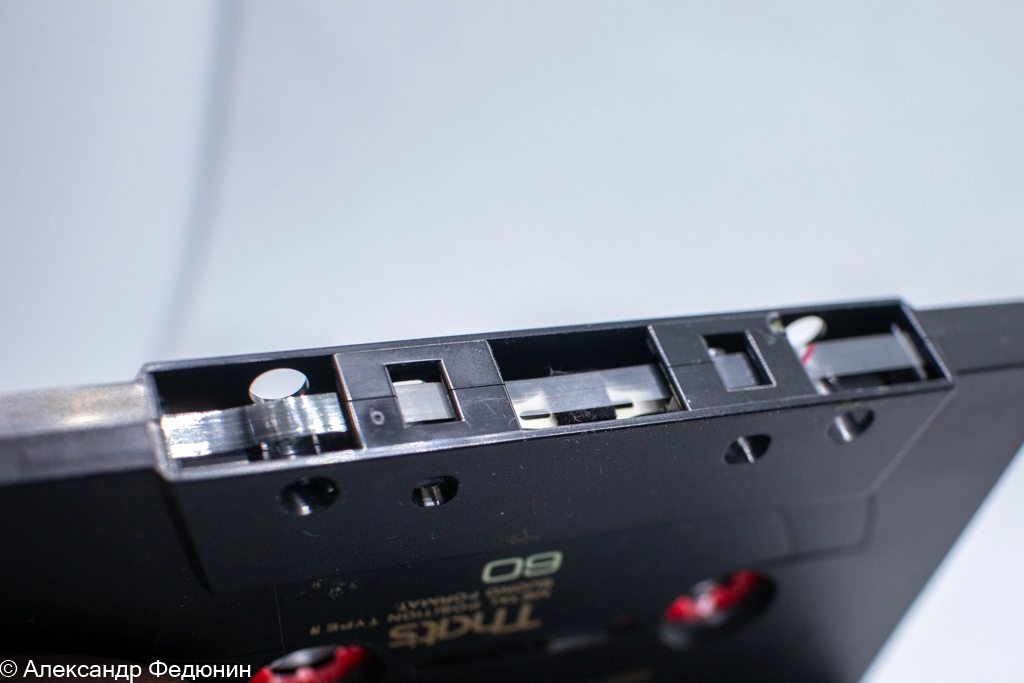
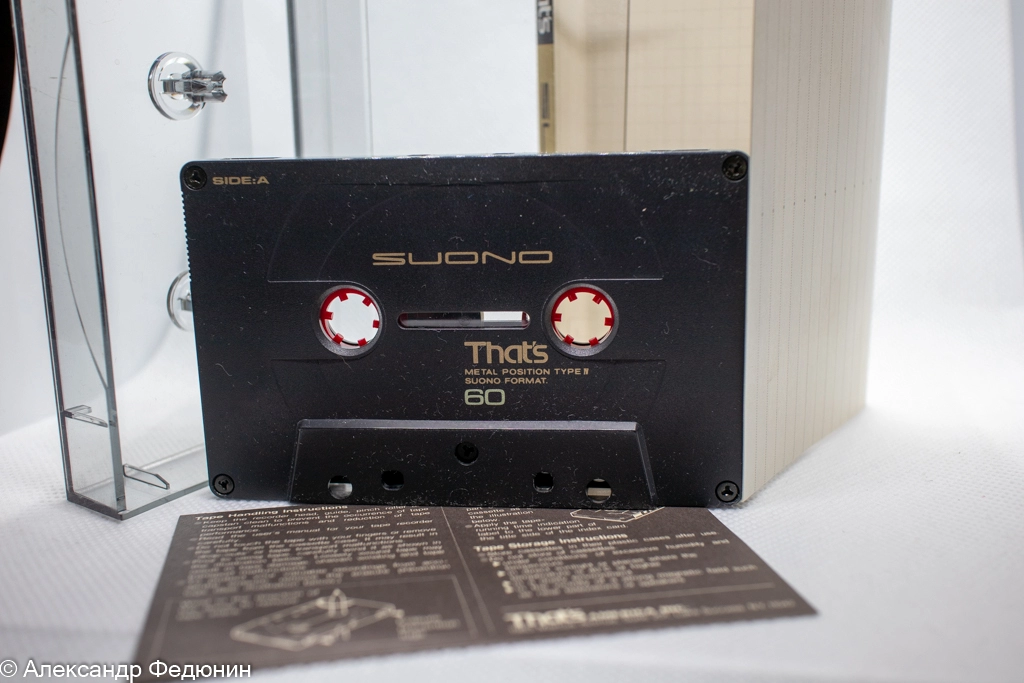
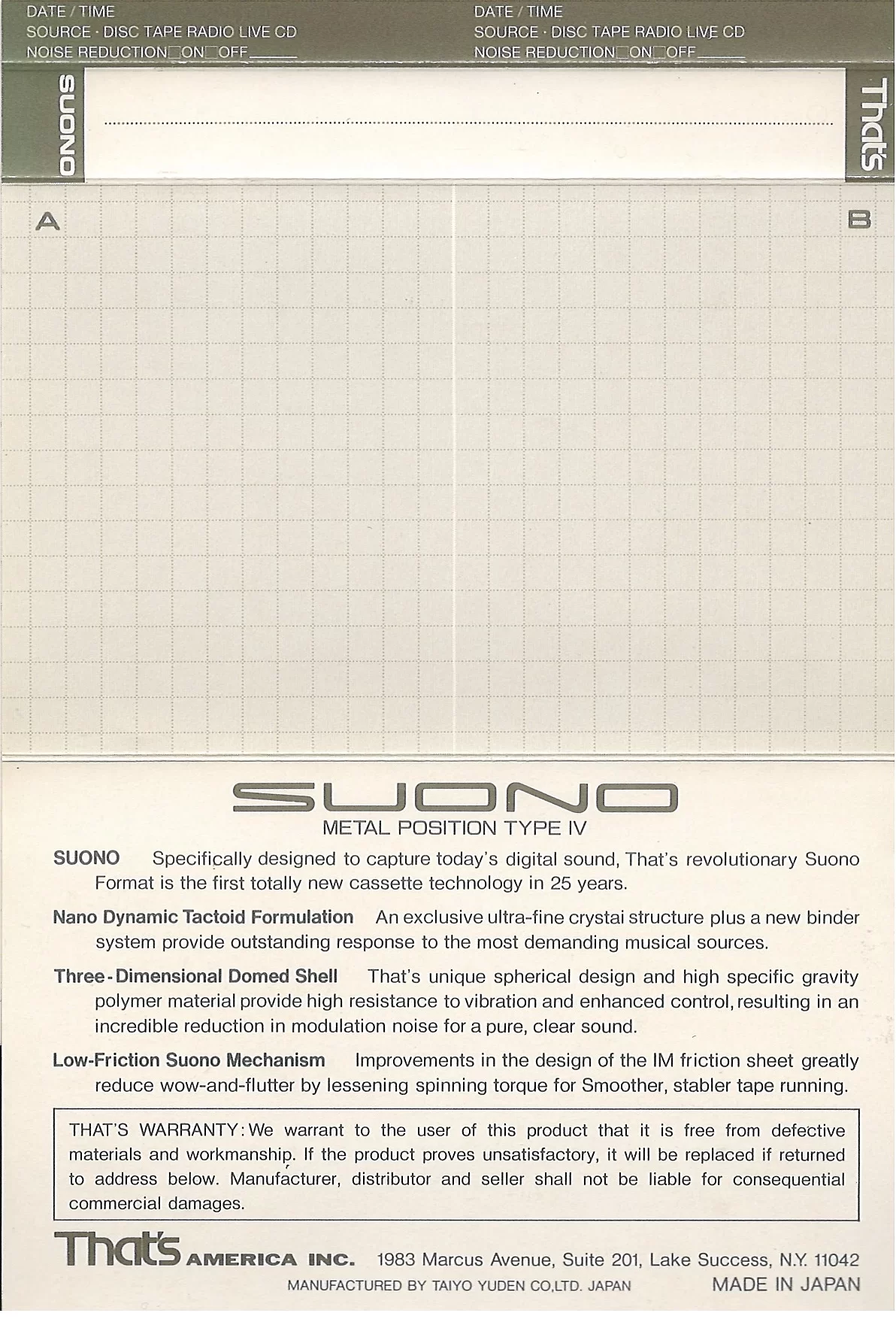
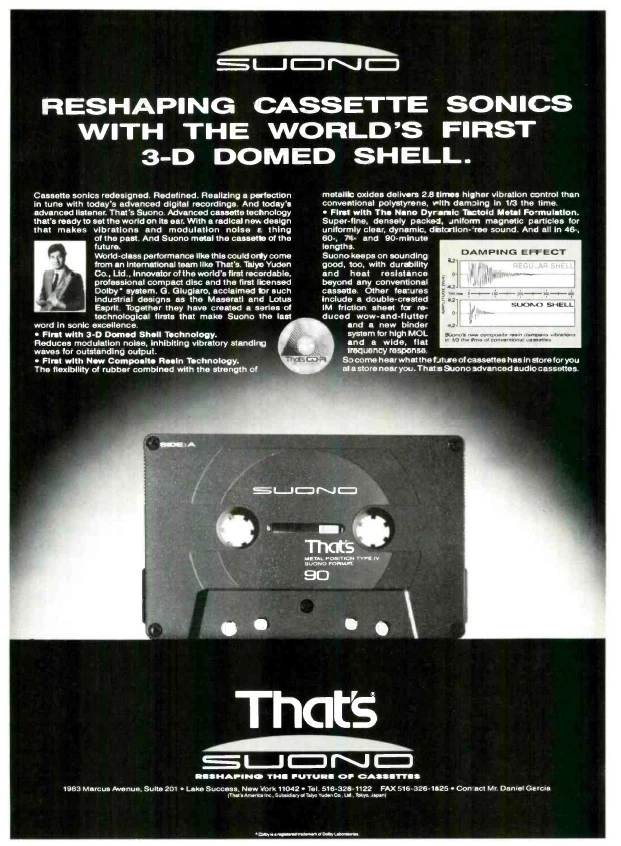
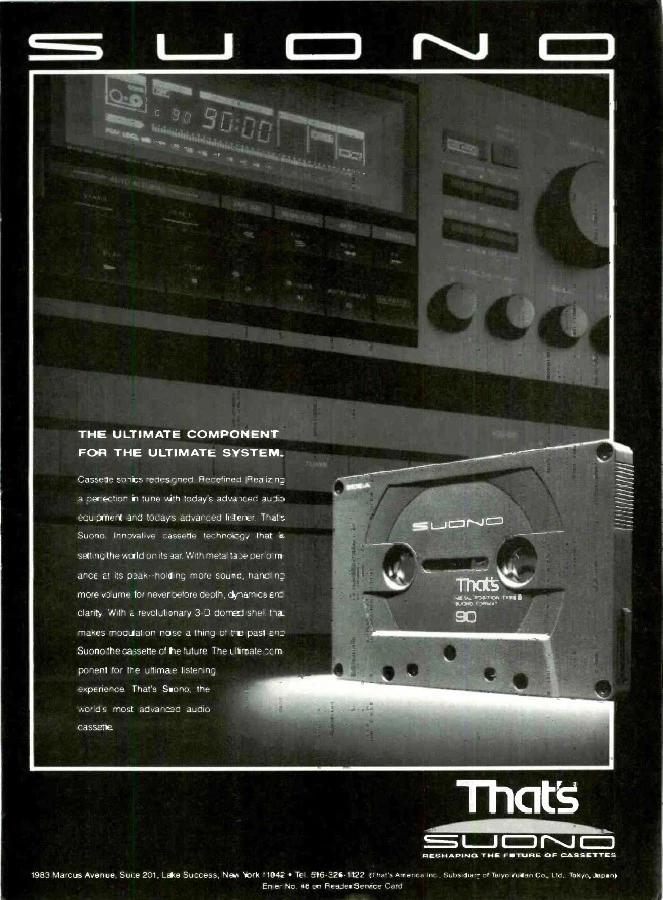
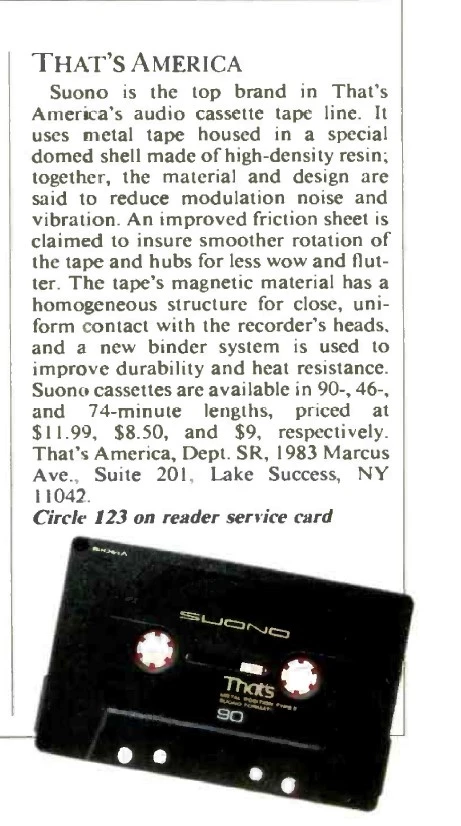
For this one - Suono (Italian for “sound”) from That’s - the engineers decided to put spherical cavities into shells made from a rubber composite (New Composite Resin Technology), since a sphere is the most resistant shape to unwanted resonance. The material also made it heavy enough to match the ceramic shells from Sony and DENON, which helped damp vibration too.
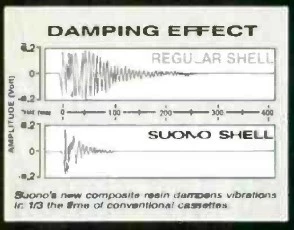
In their ads they showed point-blank how much better the cassette resisted transport mechanism resonance compared to everything else.
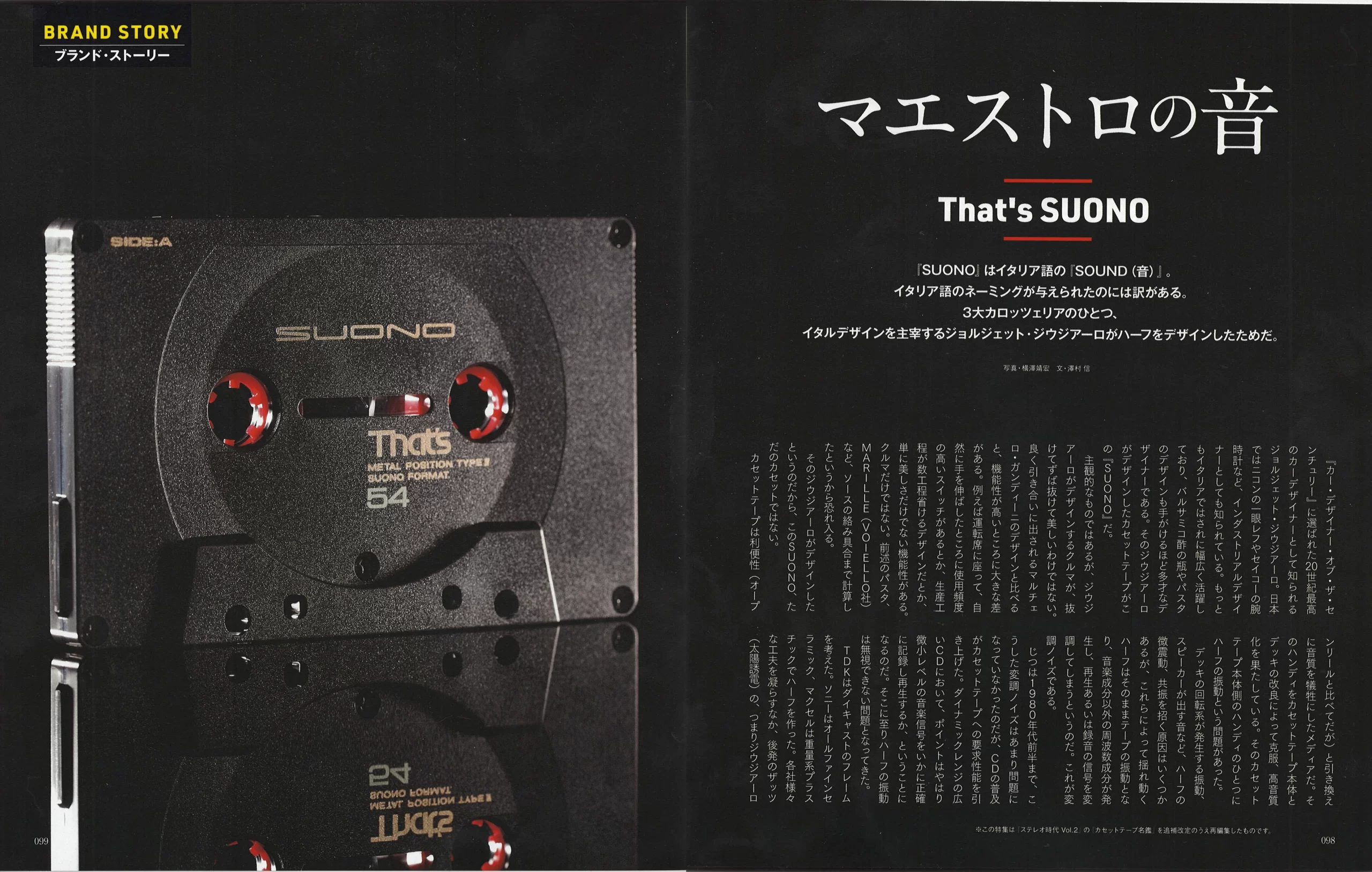
On top of that, Giorgetto Giugiaro helped them nail the final design - good enough to win a Good Design Award in 1988. But the design obsession had consequences: that distinctive cutout at the bottom of the cassette turned out to cause poor fit and jamming in car stereo mechanisms. The company ended up publishing a disclaimer: “Note: this product may be incompatible with some car/audio system loading/unloading mechanisms due to its special shape.” They fixed it fast, and the international version released in 1990 came with a slightly simplified shape - the sphere no longer runs the full height.
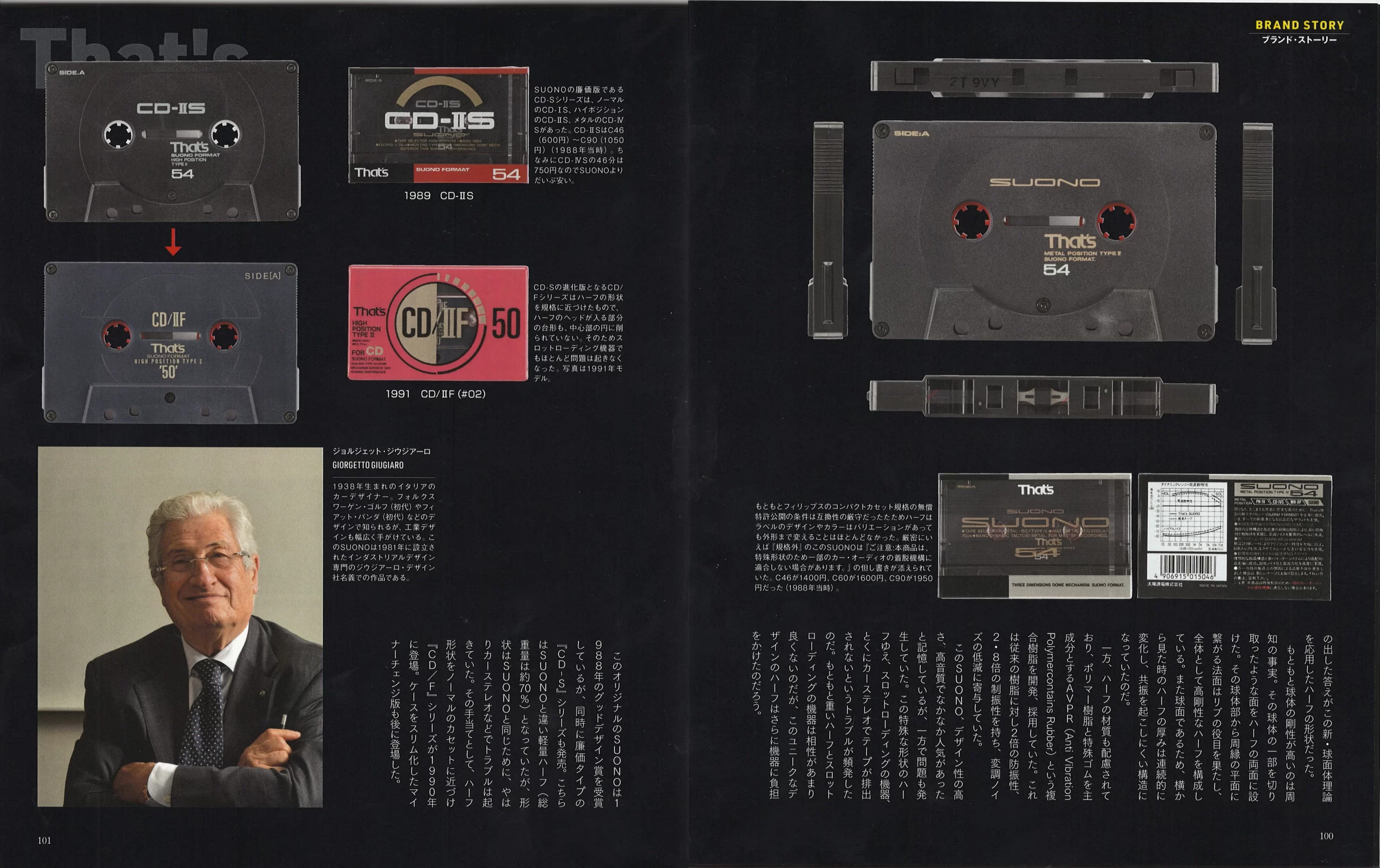
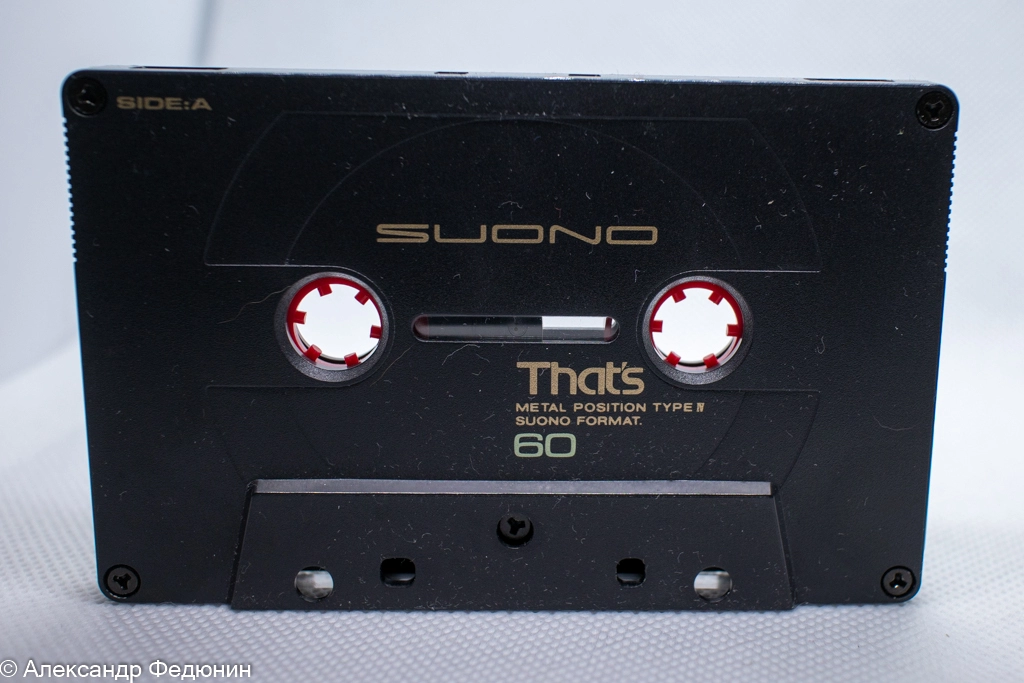
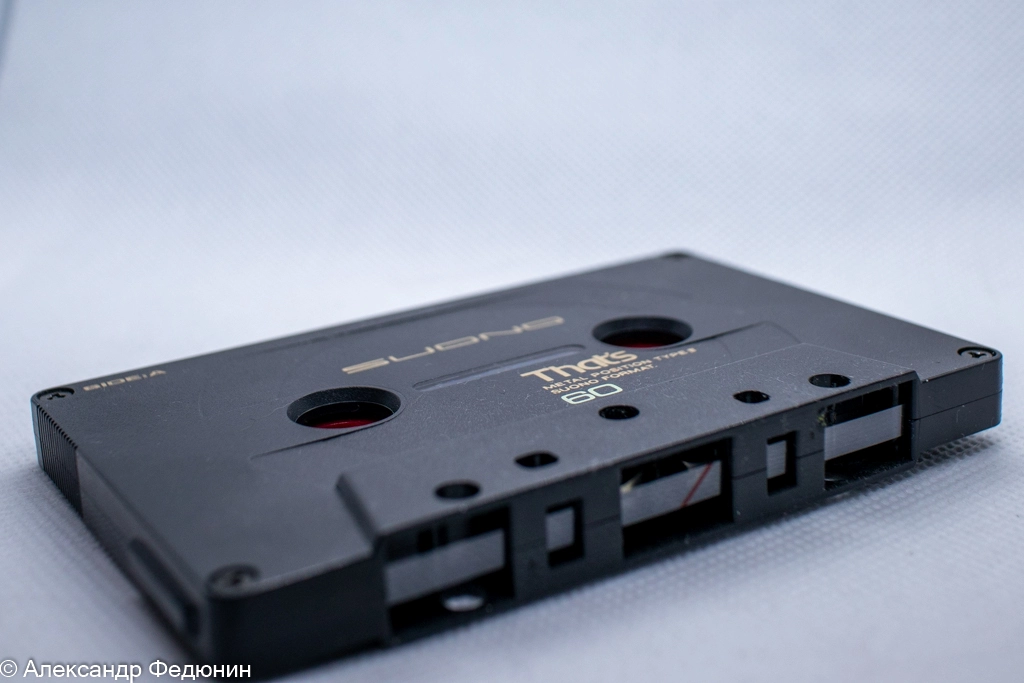
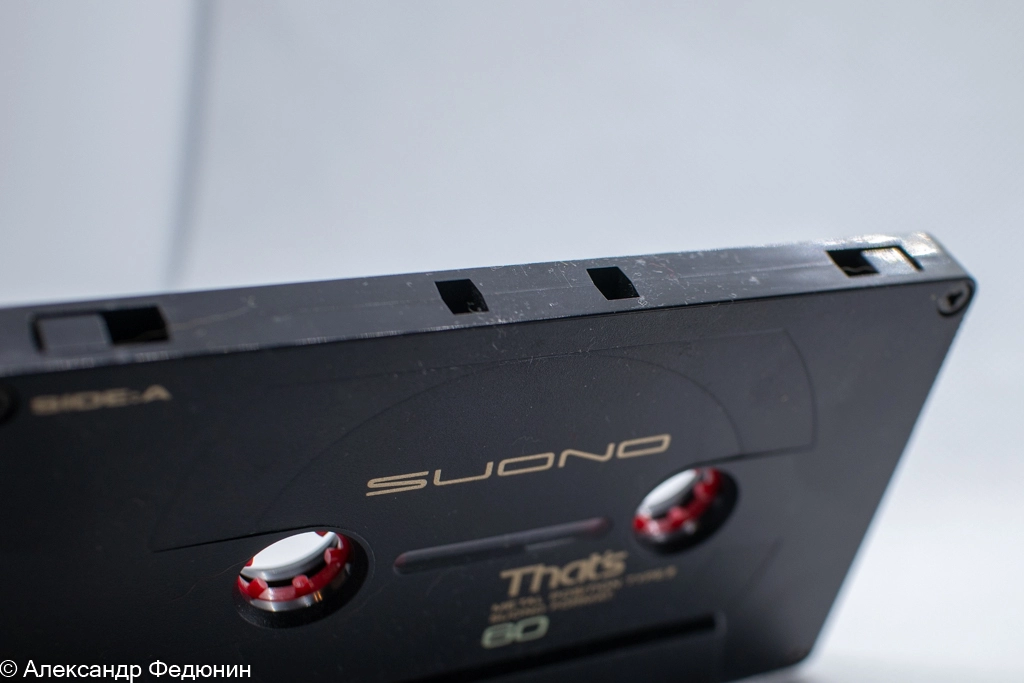
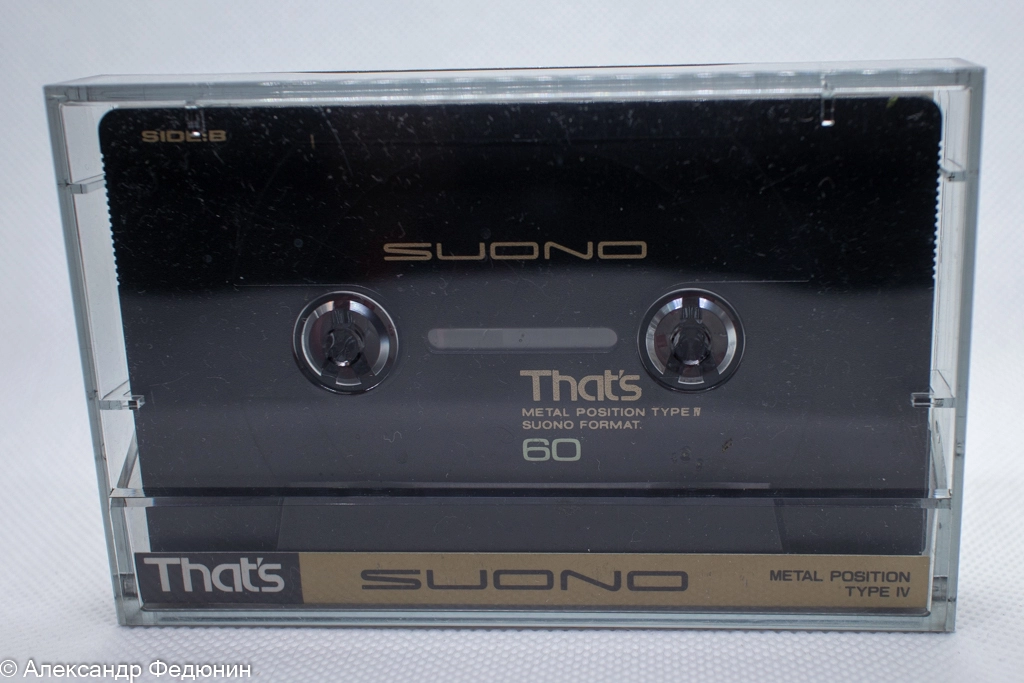
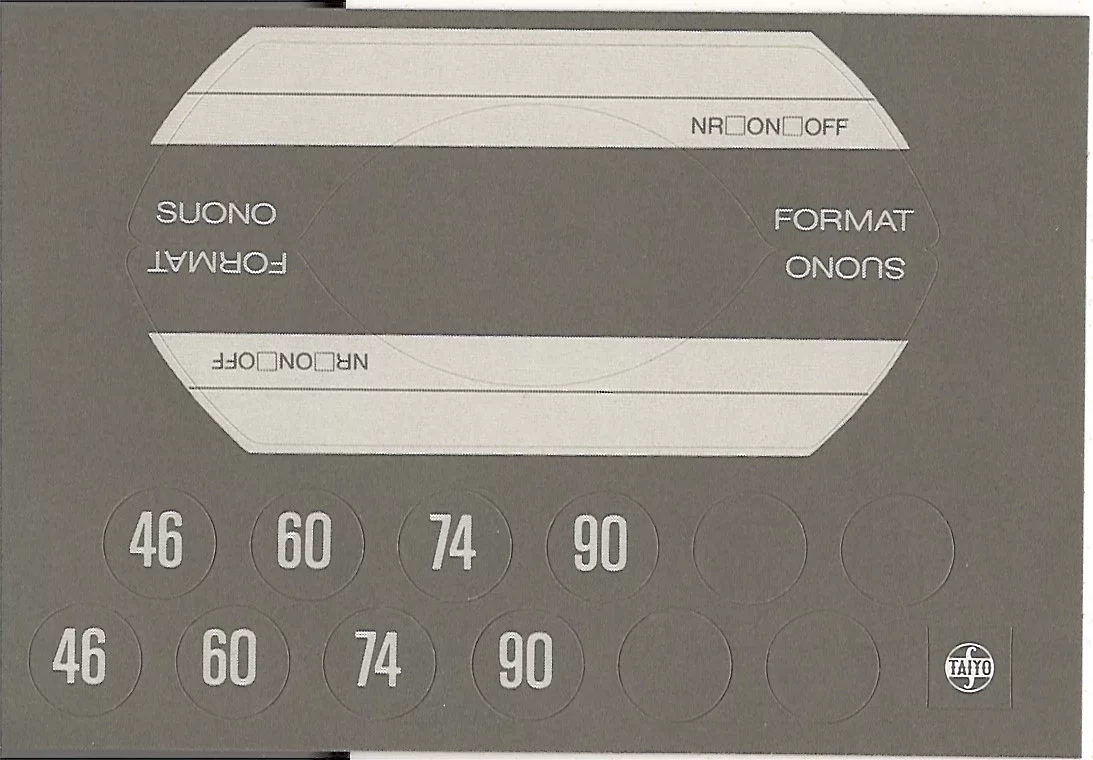
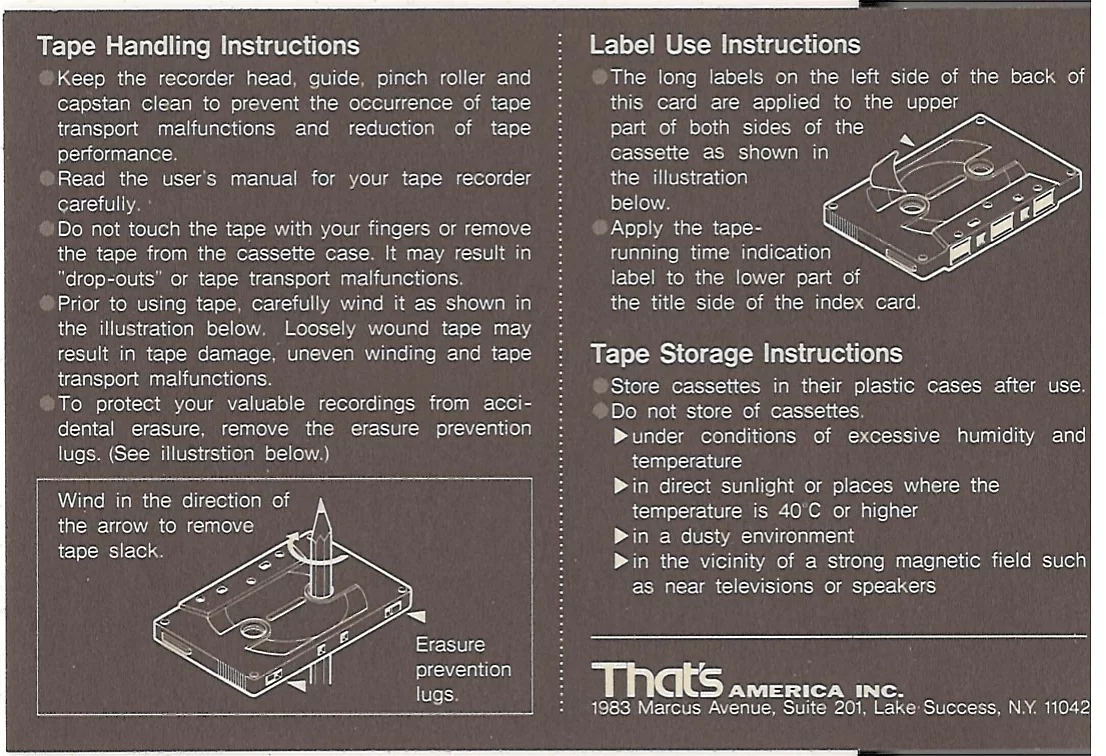
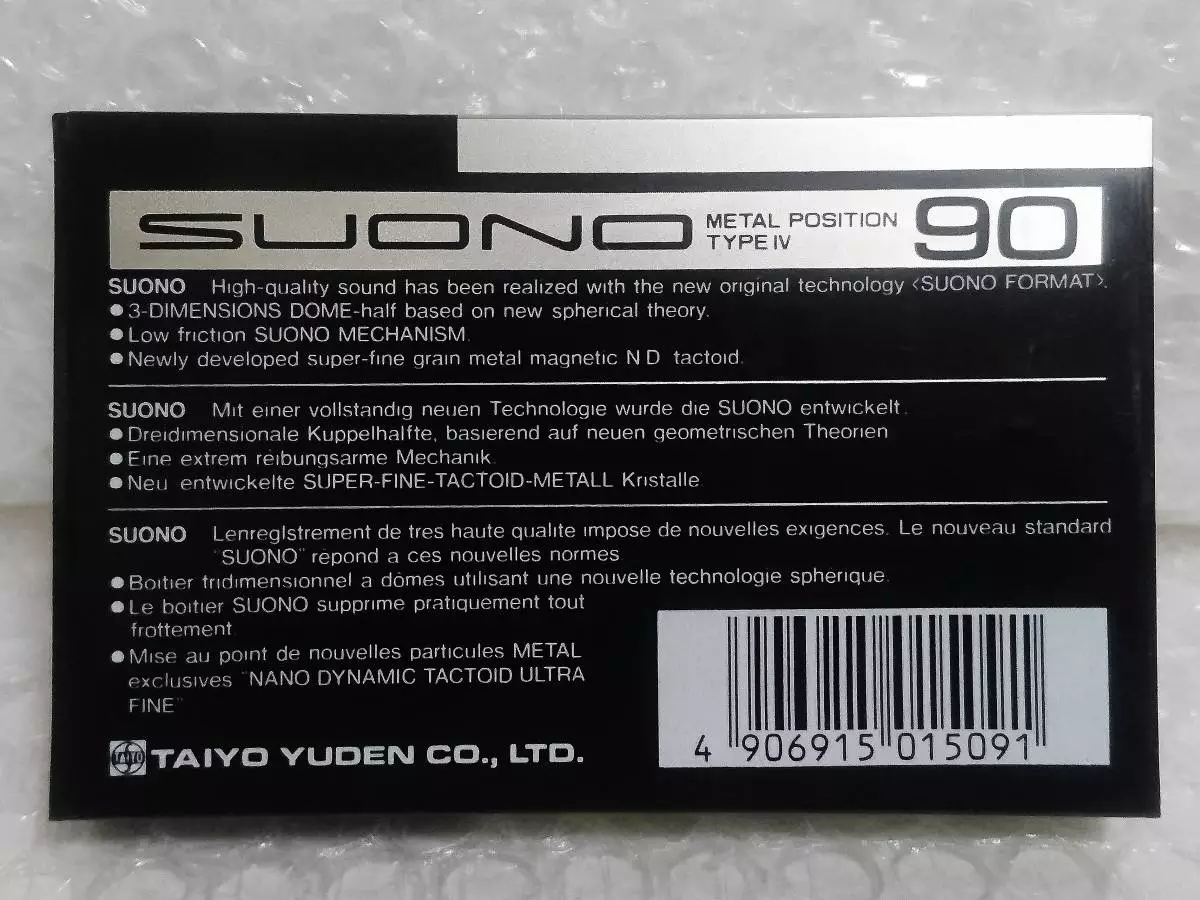
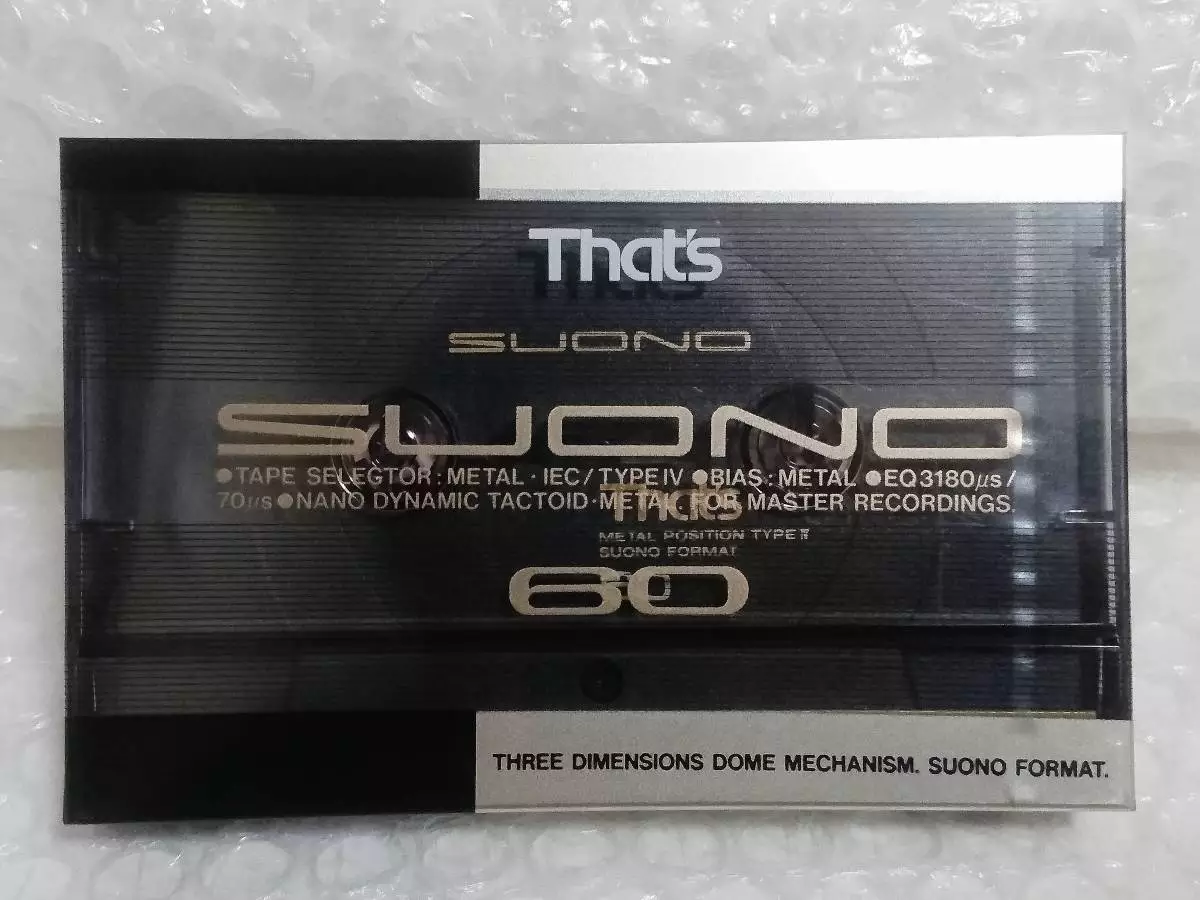
All in all it worked out pretty well (car stereos aside - those have vibration problems of a different kind), and contemporary reviews were positive. They even carried the Suono style over to their more affordable cassettes.
UPD December 7, 2025 - I finally tracked down the original Japanese version too, adding photos - the design really is something else, even if it ended up working against it in practice.