OTHERS
その他
OTHERS is a museum-side category on SHOWAAUDIO for catalogues from brands that occupied narrower niches of the Showa-era consumer-audio market, or had only a limited Japanese-market footprint. The Japanese audio market of the 1970s and 1980s never reduced to the big ten (Sony, Pioneer, Technics, Yamaha, Sansui, Kenwood, JVC, Sharp, Sanyo, Onkyo): around those corporations a dense ecosystem of specialist makers ran their own focused product lines, and in parallel a network of imported hi-fi names reached Japan through local distributors and joint ventures. OTHERS pulls those brands together: makers whose footprint on the Showa-era consumer audio market stayed small or strictly niche, where there is not yet enough material for a full narrative page, but without whom the picture of that market would be incomplete. … more
- Japanese name
- その他
- Catalogs in the Museum:
- 16
- Catalog years:
- 1968-1994
- Equipment types
- Cassette Decks, Amplifiers, Receivers, Turntables, Speakers, CD Players, Boomboxes, Headphones, Reel-to-Reel, Full Line
About the brand
OTHERS is a museum-side category on SHOWAAUDIO for catalogues from brands that occupied narrower niches of the Showa-era consumer-audio market, or had only a limited Japanese-market footprint. The Japanese audio market of the 1970s and 1980s never reduced to the big ten (Sony, Pioneer, Technics, Yamaha, Sansui, Kenwood, JVC, Sharp, Sanyo, Onkyo): around those corporations a dense ecosystem of specialist makers ran their own focused product lines, and in parallel a network of imported hi-fi names reached Japan through local distributors and joint ventures. OTHERS pulls those brands together: makers whose footprint on the Showa-era consumer audio market stayed small or strictly niche, where there is not yet enough material for a full narrative page, but without whom the picture of that market would be incomplete.
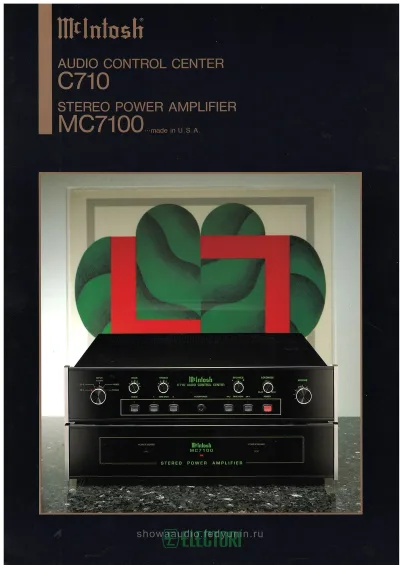
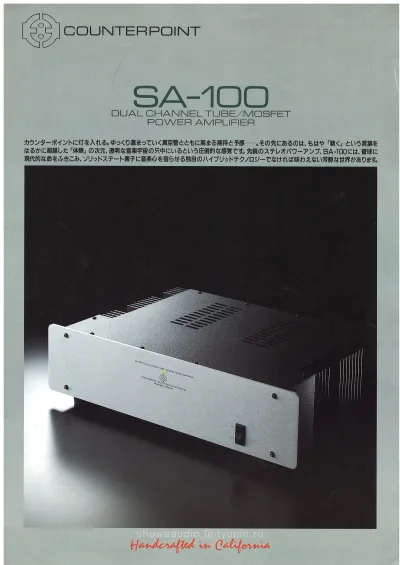
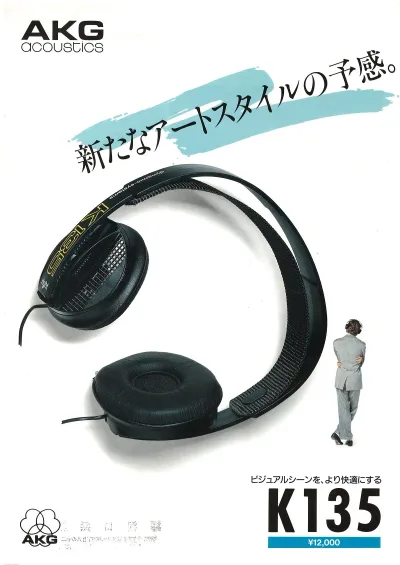
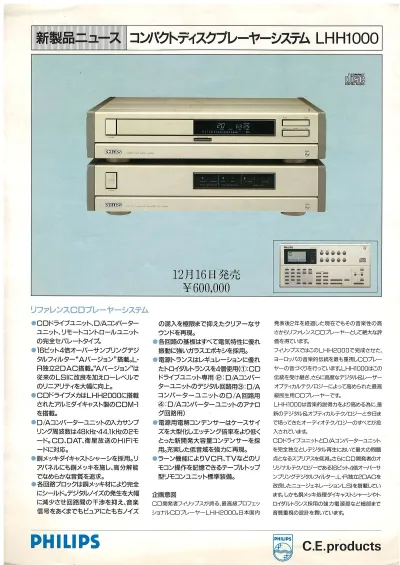
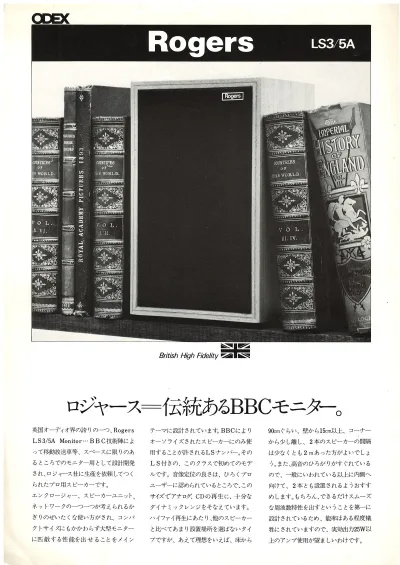
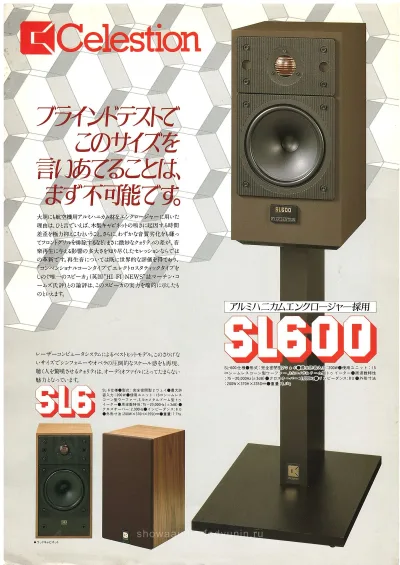
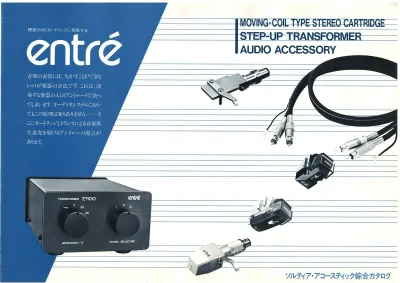
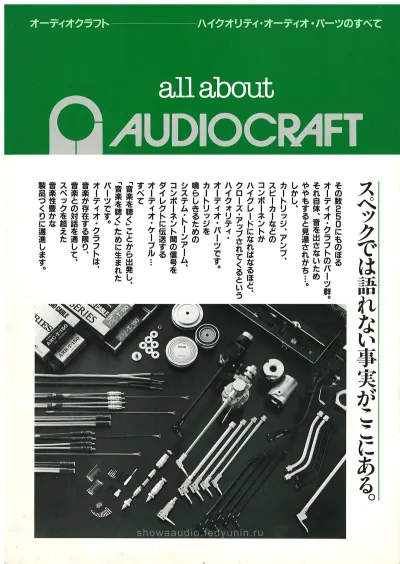
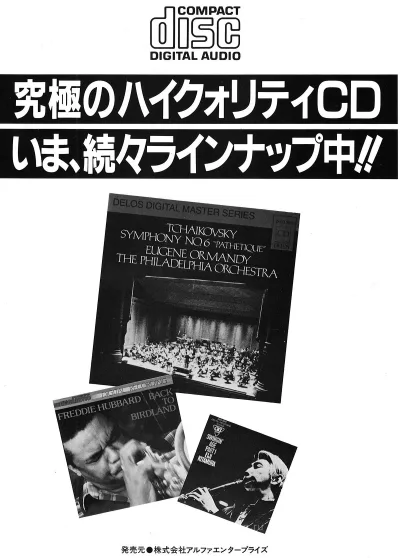
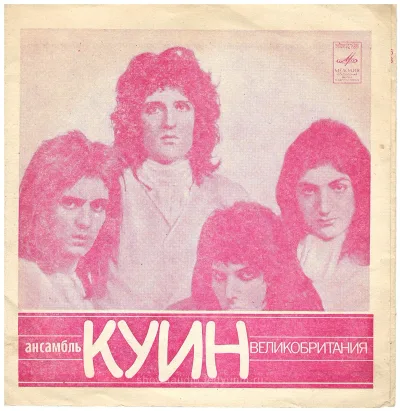
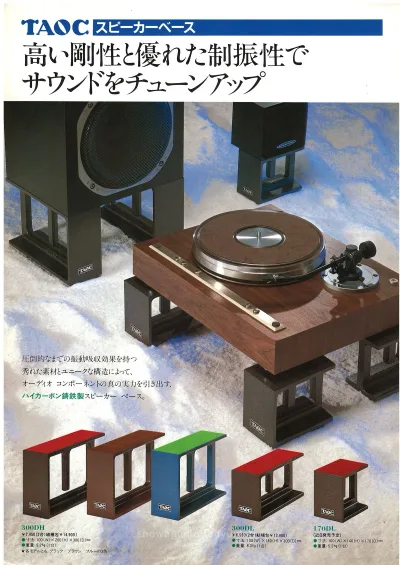
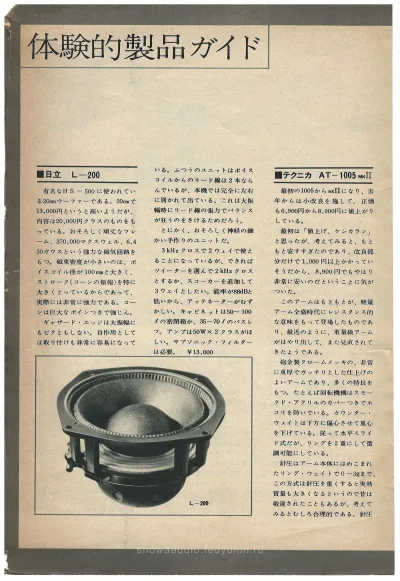
Four kinds of brand share the section. Japanese sub-specialists come first - firms focused on a single class of product, whether cartridges, tonearms, phono accessories, step-up transformers, phono cables, mechanical isolation or DIY drivers for the build-your-own-loudspeaker market; the engineering of this tier ran from moving-coil cartridges with point-contact or microridge stylus profiles and shell-integrated bodies through to step-up transformers built to feed low-impedance MC heads into a regular MM phono input. Foreign names in Japanese catalogues are the second kind, brought in through local representatives with prices set in yen and dedicated Japanese-language brochures - British loudspeakers, Dutch CD players, American flagship systems all received JDM editions sitting as premium alternatives to the home brands. Third are the collaborations, foreign-badged products engineered inside a Japanese subsidiary: the 1987 Philips LHH1000 is the clear case, designed by Marantz Japan for Philips and stamping a Dutch label over Japanese engineering work on the CDM-1 transport and copper-plated die-cast chassis. Source publications round out the section - clippings from 1970s and 1980s audio magazines with critic columns like the 体験的製品ガイド (Personal Product Guide) by Tetsuo Nagaoka (長岡鉄男), held on the site as historical context rather than as a brand catalogue of their own.
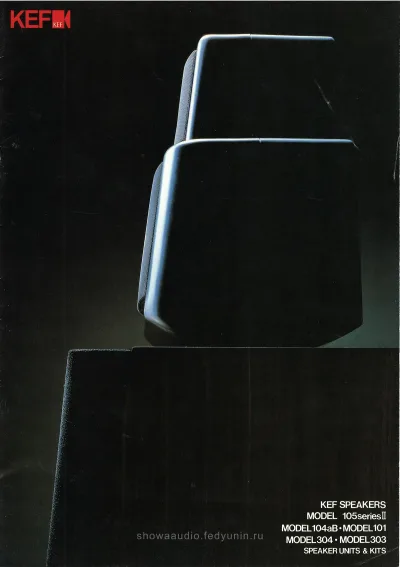
Technologically this market segment ran on tightly focused engineering. Japanese accessory makers built loudspeaker bases out of high-carbon cast iron with precisely machined contact surfaces and hammered-finish paint, the whole assembly tuned to drain vibration into the floor. British Reference-class loudspeakers carried in-house technologies like KEF’s Listening Window, a 40° horizontal × 10° vertical zone of even directivity that held the tone stable across a wide listening seat. Dutch-Japanese premium CD players ran two-box architecture with a learn-capable remote, a CDM-1 transport carried over from professional machines, a 16-bit 4× oversampling “A-version” digital filter from Philips, two independent D/A converters per channel and four toroidal transformers split across the CD-drive, digital and analogue paths. Japanese specialist cartridge houses delivered MC ranges that ran from point-contact stylus profiles up to shell-integrated bodies with ultra-low-mass styli down to 0.14 mm, paired with step-up transformers and matching phono cables. As enough material gathers for any one brand in this section, it spins out to its own dedicated page; OTHERS stays for those whose market footprint in the Showa era remained too small for a full write-up of their own.
- Full name:
- OTHERS - museum category for rare and specialised brands